







Explore our fragrances and add your favourites here.
Continue shopping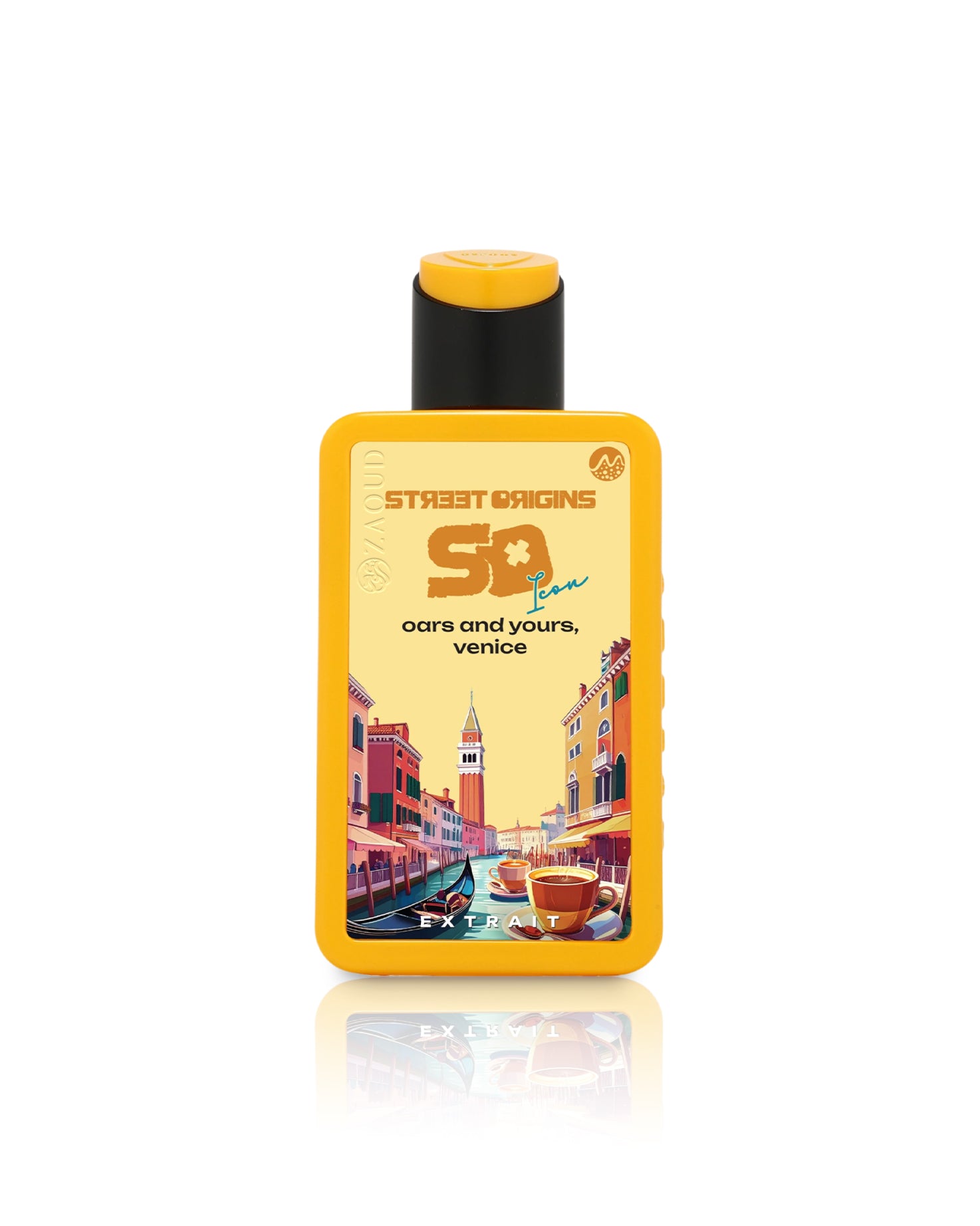

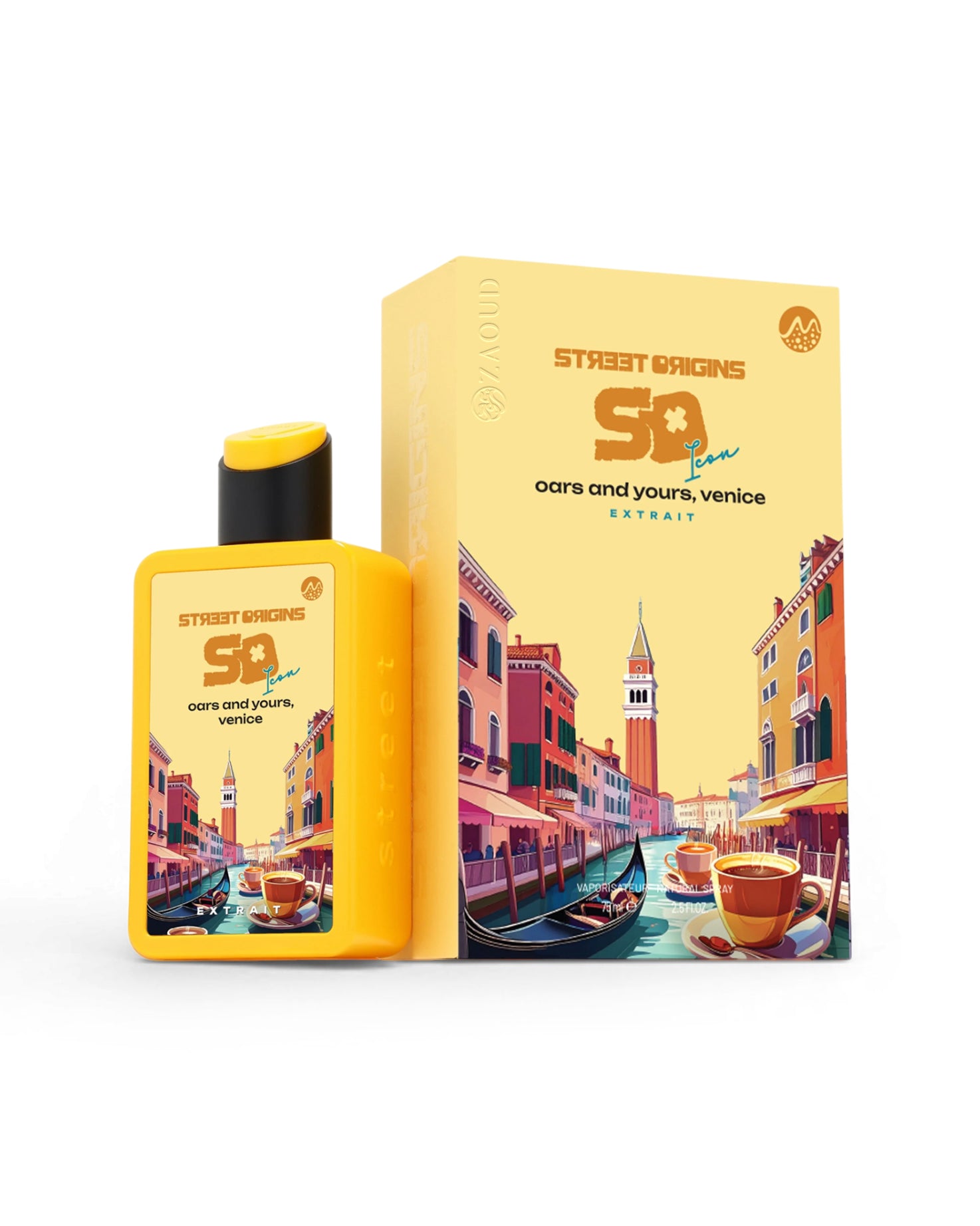
Street Origins
OARS AND YOURS VENICE EXdp
MEN45,00 €
Tax included. Shipping calculated at checkout.
100% Authentic14-Day ReturnsSecure Payment
Main Accord
Description
- TOPSea Notes, Bergamot
- MIDDLEBlack Pepper, Geranium
- BASEPatchouli, Vetiver, Cedar
Oars and Yours Venice by Street Origins: A Spiced Marine Woody Extrait
For wearers who find most sea-inspired fragrances too polite, Oars and Yours Venice offers a sharper option. It is an extrait de parfum built on a small set of materials, with no sugar, no vanilla and no musk to soften the edges.
Seven notes do all the work. A salty, citrus-led opening gives way to peppery and green heart notes, then settles onto patchouli, vetiver and cedar.
Street Origins Oars and Yours Venice Fragrance Notes
- Top Notes: Sea Notes, Bergamot.
- Middle Notes: Black Pepper, Geranium.
- Base Notes: Patchouli, Vetiver, Cedar.
Each layer is kept short on purpose. The list has none of the fruit, rose, vanilla, musk or amber that many Arabian compositions depend on. What remains is dry and clear: sea air, citrus peel, cracked pepper, green herb, damp earth and smoky root.
Pepper and Geranium: A Tense Middle
Black pepper brings a dry, grainy warmth, and geranium answers with a rosy-green, faintly minty edge. The two do not merge into a soft floral. They press against each other, and that tension gives the heart its character.
Geranium, Explained
The geranium used in perfumery is not the garden plant that fills window boxes. Its scent is rosy, green and slightly minty, and it serves as an affordable stand-in for rose, which is why it turns up in dry, woody fragrances more often than rose does.
Where the Woods Take Over
As the opening clears, the drydown becomes a sequence of dry woods and roots. Patchouli gives a damp, earthy depth, vetiver adds a smoky, bittersweet root quality, and cedar provides a dry, angular, pencil-like structure. With nothing sweet to cushion them, these materials stay visible until the end.
Because the composition is so spare, each ingredient has a clear role and is easy to pick out. The salty opening is brief, the pepper and geranium give the middle its angle, and the woods carry the scent from start to finish. Nothing is added simply to fill out the bottle, and that restraint is part of the appeal for anyone who likes to notice how a fragrance is built.
How It Compares With Lighter Sea Scents
Most aquatic fragrances are built to feel open and carefree. This one stays closer and more controlled. The opening is salty and clean, but the pepper, geranium and woods keep it from drifting into a relaxed mood, so it reads as focused rather than breezy.
On the skin, the first impression is crisp and salty, the heart is peppery and green, and the final stage is quiet timber with a dry, faintly smoky edge. Each phase arrives in a different register, so the wearer experiences the scent as a sequence rather than a single note.
Who Should Try It
This will suit you if:
- You find most marine fragrances too soft or too synthetic, and want an edge.
- You enjoy dry woods such as patchouli, vetiver and cedar and want them at the centre.
- You are completing a Street Origins collection and want its most austere marine-woody entry.
- You prefer a spare composition with no filler.
It may disappoint you if:
- You expect a smooth, sweet or skin-close marine. The base is raw wood with no vanilla, musk or amber.
- Minty-green notes are unwelcome, since the geranium stays prominent through the heart and into the drydown.
Weigh the notes against your own taste before buying, because this is not a cushioned or sugary scent. If you want a marine fragrance that stays structured from start to finish, it is worth a careful test on skin.
Wearing Tips
The woody base is slow to evaporate, so the timber remains after the opening has faded. Start with a light hand and build up. Cooler weather brings out the vetiver and cedar, so autumn evenings and early spring are when the scent shows its sharpest side.
More from Street Origins
-
Street Origins

ON NEW YORK TIME EXdp
Price range: 3,00 € through 45,00 € -
Street Origins
OUI BELONG IN PARIS EXdp
Price range: 3,00 € through 45,00 € -
Street Origins

RISE AND BLING DUBAI EXdp
Price range: 3,00 € through 45,00 € -
Street Origins

SINGAPORE PROPER Edp
Price range: 3,00 € through 35,00 € -
Street Origins
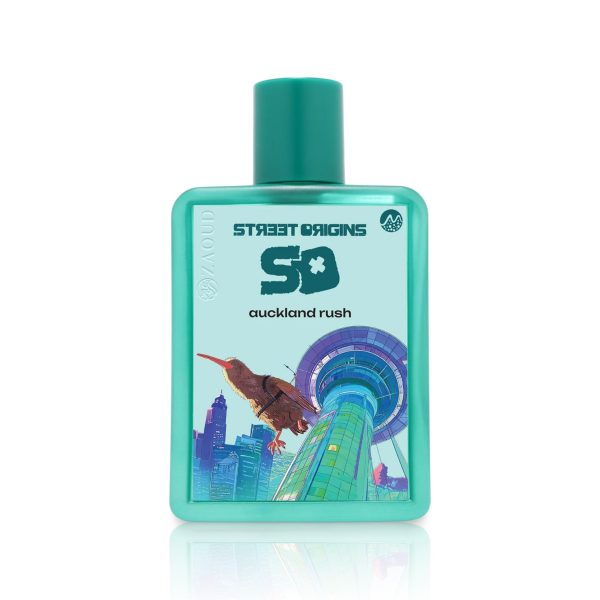

AUCKLAND RUSH Edp
Price range: 3,00 € through 35,00 € -
Street Origins
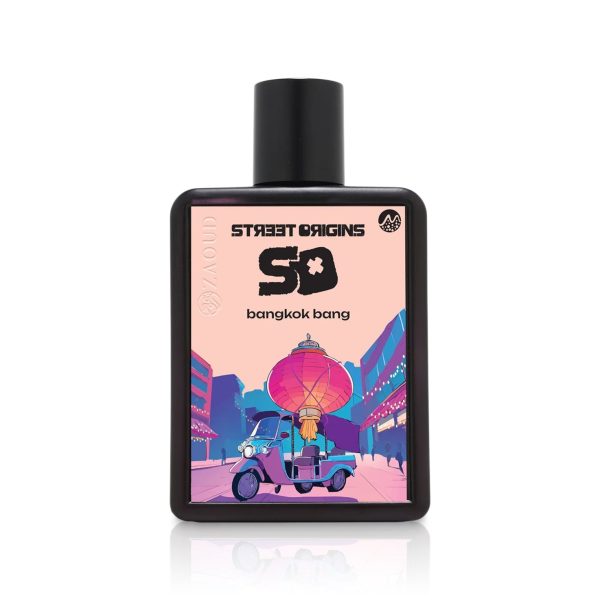

BANGKOK BANG Edp
Price range: 3,00 € through 35,00 € -
Street Origins
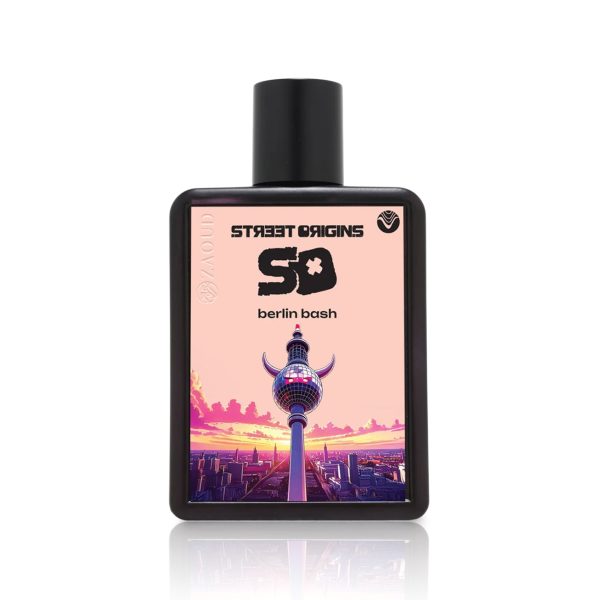
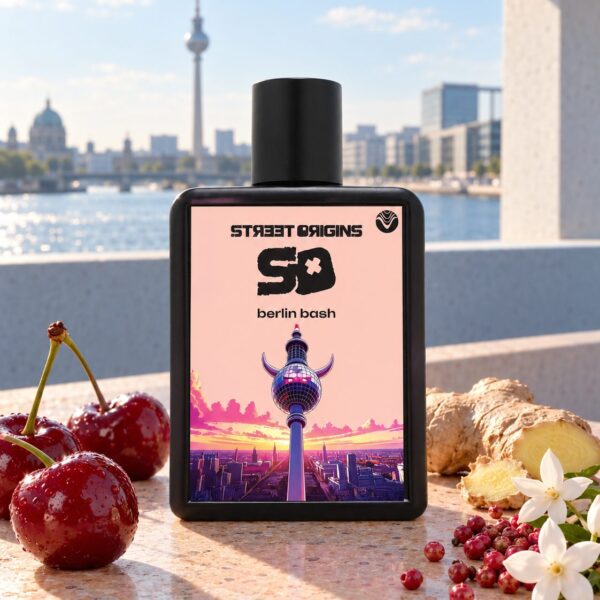
BERLIN BASH Edp
Price range: 3,00 € through 35,00 € -
Street Origins
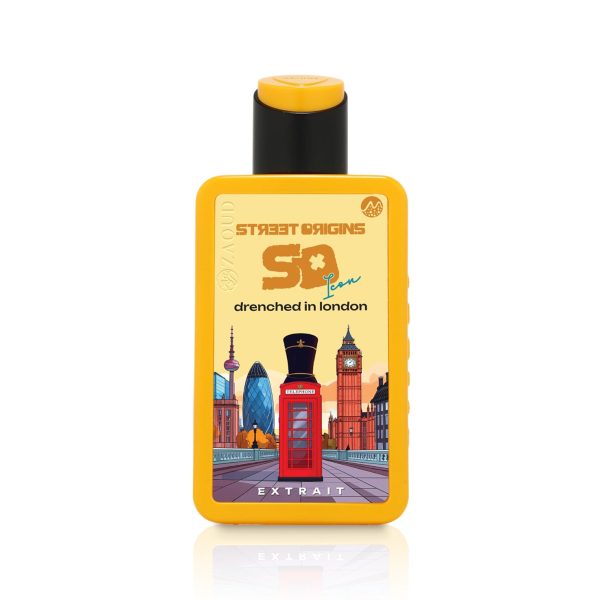
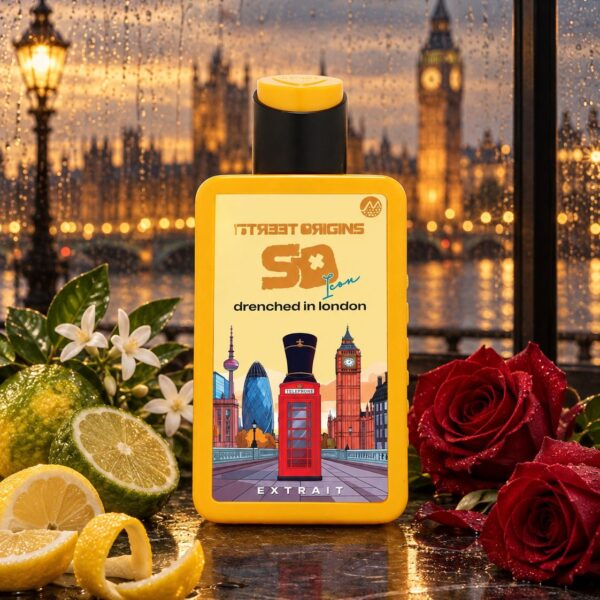
DRENCHED IN LONDON EXdp
Price range: 3,00 € through 45,00 €