



Explore our fragrances and add your favourites here.
Continue shopping


SWISS ARABIAN
DUKHOON AL NASEEM
54,99 €
Tax included. Shipping calculated at checkout.
100% Authentic14-Day ReturnsSecure Payment
Main Accord
Description
- TOPBlack Currant, Bulgarian Rose
- MIDDLEJasmine, Rose, Violet
- BASEMusk, Vanilla, Oud
Dukhoon Al Naseem by Swiss Arabian: A Floral Bakhoor and How to Light It
Dukhoon Al Naseem is a floral bakhoor from Swiss Arabian, the Emirati house that dates to 1974. It comes in a 96 gram jar. The top is black currant and Bulgarian rose, the heart brings jasmine, rose and violet, and musk, vanilla and oud make up the base.
A product like this is burned rather than sprayed, and that changes how you judge it. It also appears under two titles, which explains why search results disagree.
Al Naseem Fragrance Notes
- Top Notes: Black Currant, Bulgarian Rose.
- Middle Notes: Jasmine, Rose, Violet.
- Base Notes: Musk, Vanilla, Oud.
The brand publishes this list, and most retailers repeat it. Two other sources differ. Swiss Arabian’s own description mentions opoponax, a sweet balsamic resin missing from the list above, and a UK retailer offers a longer version with frankincense and unspecified resins in the heart and base.
Resins matter here more than in most lists. Once the piece is burning they generate the smoke character, so a pyramid that leaves them out misses what counts most.
Two names, one jar
The company uses Dukhoon Al Naseem on its European pages and Bakhoor Al Naseem in other markets. The product code is identical, and the brand’s description uses bakhoor under the Dukhoon heading.
The Dukhoon label covers the house’s incense range, with siblings such as Dukhoon Malaki and Dukhoon Al Jazeera. As for bakhoor, it is the general Arabic word for this category. Either title lands on the same jar, so there is no real choice between them.
What bakhoor is made of, and how it is burned
Bakhoor is closer to a compressed wood product than to a stick of incense. Wood powder or chips take on fragrance oils and resins, then get pressed into tablets and rested so the components settle together. Swiss Arabian makes its version from ground oud dust, rolled by hand and hardened over two to three weeks, though methods vary between makers.
The piece is not lit with a flame. It rests on a heat source, traditionally a charcoal disc inside a mabkhara burner and increasingly an electric plate, and it smoulders. Scent reaches the room in seconds, far quicker than a spray would manage.
In the Gulf, households treat it as everyday custom rather than decoration. It gets burned for arriving guests, on Fridays and at weddings, and clothes are held over the smoke to pick up the scent. One study of 628 Emirati households reported that 86 percent burned incense at least once a week.
The founding story runs along the same lines. The founder grew up in Yemen, where his mother made bakhoor at home, and the company’s first product was based on her recipe.
The scent in the room
The garden theme on the packaging is backed by the blend. Black currant contributes a sharp fruit lift, rose and jasmine supply the floral body, and violet softens the roses so they never go brittle.
Beneath, vanilla and musk add cream and warmth, and oud gives the depth that marks the scent as Gulf-style rather than a European floral.
Heat changes the balance, which a list cannot show. The resins and oud come forward while the fresh fruit fades quickly, so in a room the scent comes across smokier and sweeter than the pyramid on paper implies.
Why a pyramid breaks down over charcoal
A pyramid describes evaporation over time. On skin, lighter molecules leave first and heavier ones trail on for hours, so top, heart and base form a timeline.
Burning compresses that timeline. Electric burners for this product have dials that go past 500 degrees, and charcoal runs hotter, so the materials release almost together. There is little slow reveal, because heat does not wait.
Heat also produces compounds that were not in the jar at the start. Researchers who pyrolysed frankincense found odour-active molecules forming during heating that the raw resin lacked, so some of the aroma was never present in the raw material until heat formed it.
The list is still accurate, because those materials are present in the product. The distinction is that on skin the timing is set by the molecules, whereas with an electric plate the operator’s dial controls how fast things release. On charcoal the result is a single pulse that peaks within about five minutes.
Burning it well
Use less than you think. A piece the size of a fingernail scents a large room, and at that rate the 96 grams last for months.
- On charcoal: Light the disc until sparks run across its surface, then wait for a grey skin of ash to form. Set the bakhoor on the ash rather than the glowing core, which would scorch it and make it acrid.
- On an electric burner: Place the piece on the plate and switch it on. It gives off less smoke and less scent, which suits flats and rooms with sensitive smoke alarms.
- Duration: Roughly twenty minutes per piece, with the strongest output in the first five. Fabrics keep the fragrance well after the smoke clears.
Keep the room ventilated while it burns. A 2026 study found that bakhoor throws off many ultrafine particles in a sealed chamber, though its authors stress that those figures came from measurements close to the source, not normal room conditions. Open a window and keep sessions short. Never leave charcoal unattended, keep it away from kids, animals and drapes, and allow it to burn out on something heat-resistant.
Who it suits
This is for someone who prefers flowers to a heavy oud base. Most bakhoor leans dark and resinous, while this one leads with rose and jasmine, which makes it a gentle introduction for a home new to burning incense.
It is also a practical way to freshen a wardrobe or a room before guests arrive. It acts quicker than a room spray and lingers on textiles for much longer.
More from SWISS ARABIAN
-
SWISS ARABIANSold out
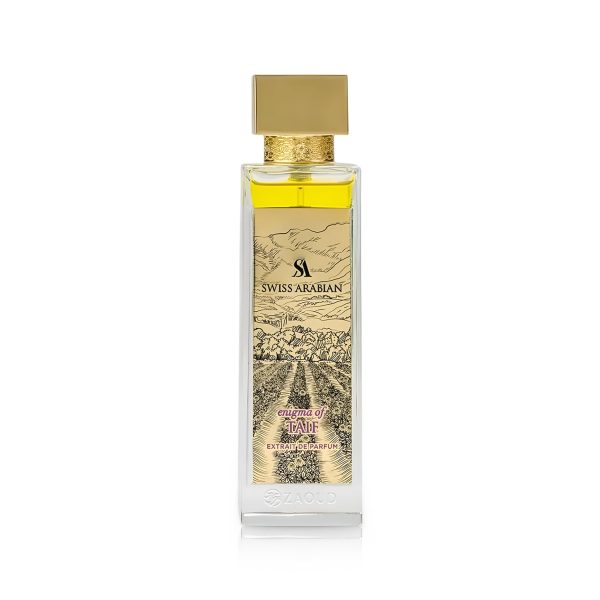

ENIGMA OF TAIF EXdp
Price range: 3,50 € through 85,00 € -
SWISS ARABIAN
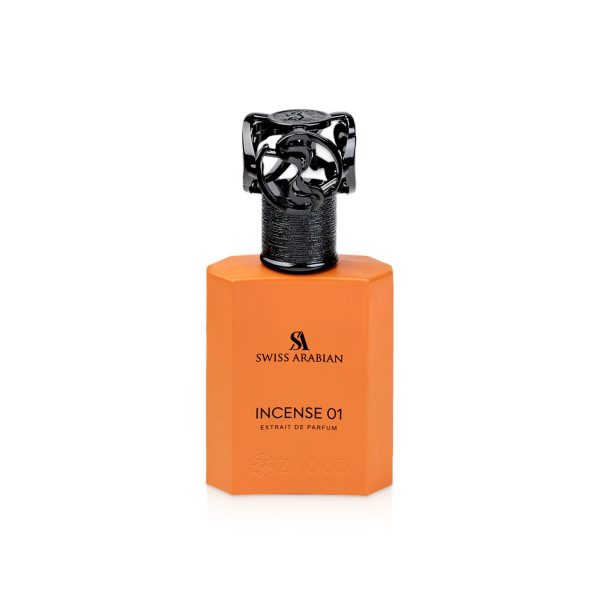
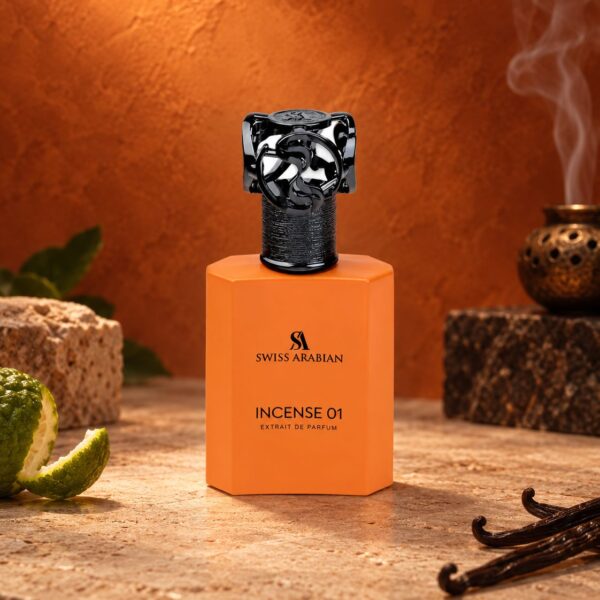
INCENSE 01 Extrait de parfum
Price range: 4,50 € through 75,00 € -
SWISS ARABIAN
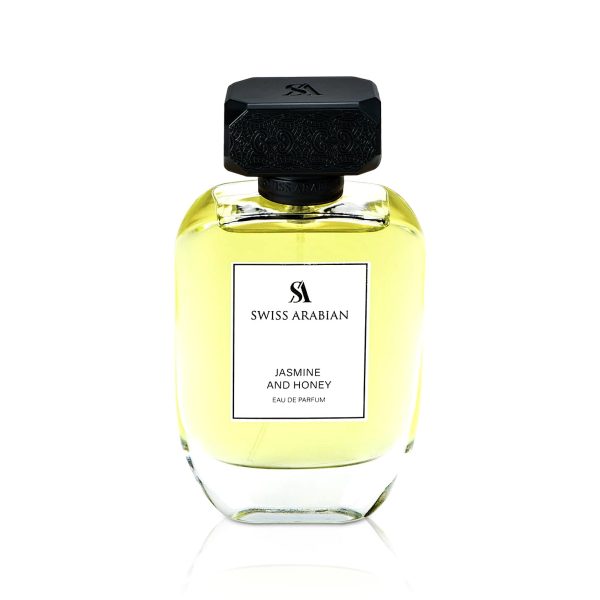
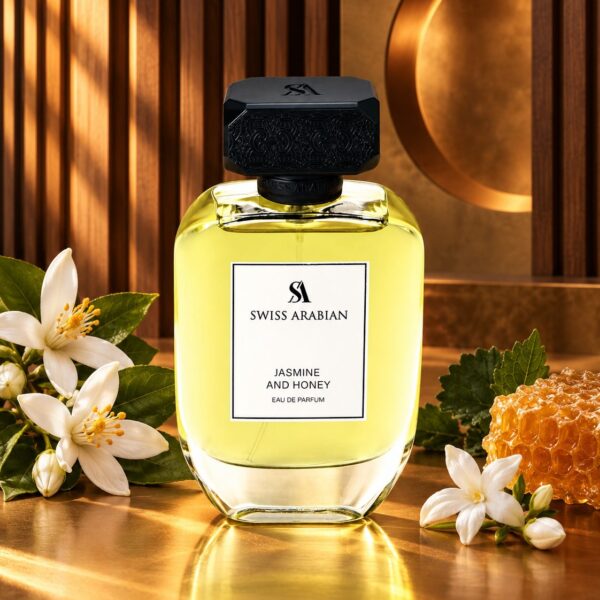
JASMINE AND HONEY Edp
Price range: 3,00 € through 32,00 € -
SWISS ARABIAN
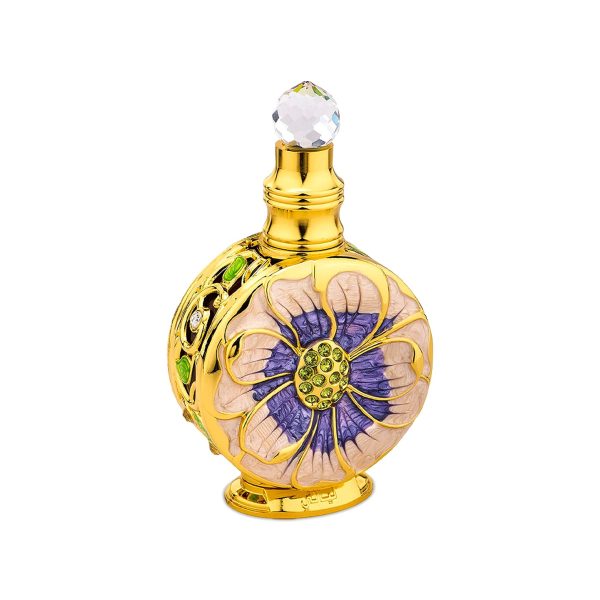

LAYALI Eau de parfum
Price range: 3,00 € through 35,00 € -
SWISS ARABIAN
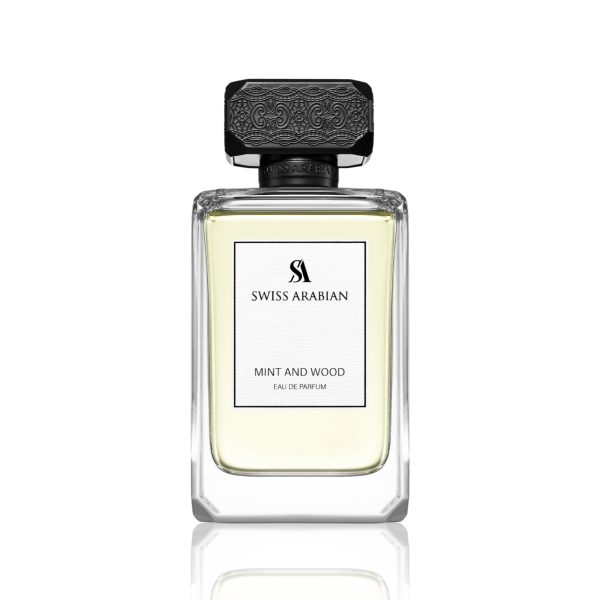
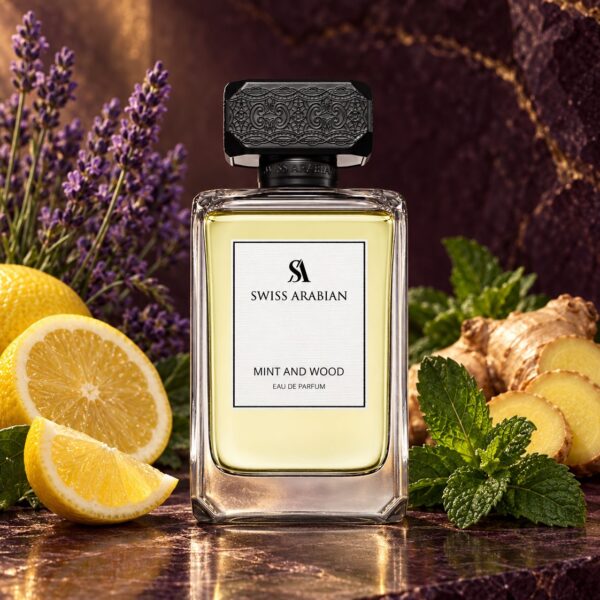
MINT and WOOD Edp
Price range: 3,00 € through 36,00 € -
SWISS ARABIAN
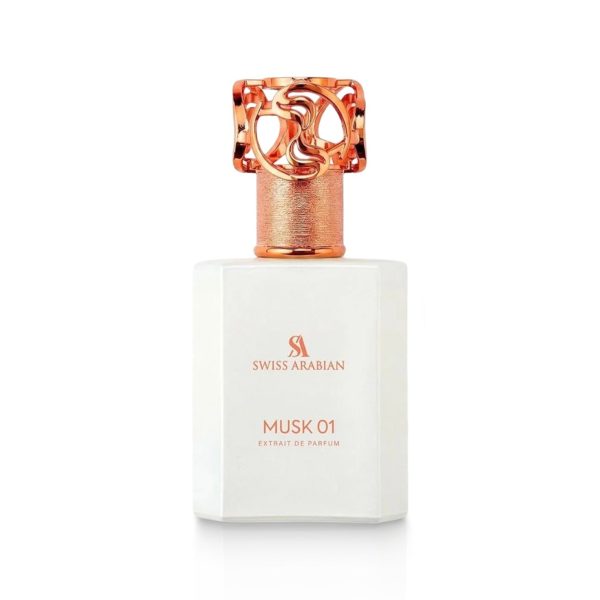
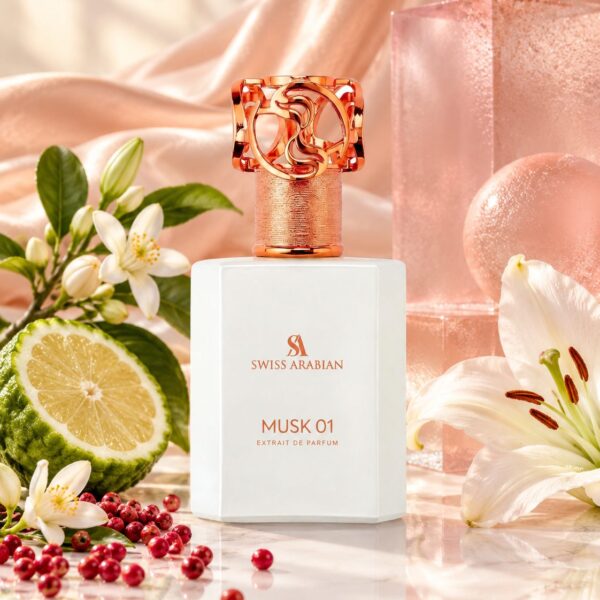
MUSK 01 EXdp
Price range: 4,00 € through 58,99 € -
SWISS ARABIAN
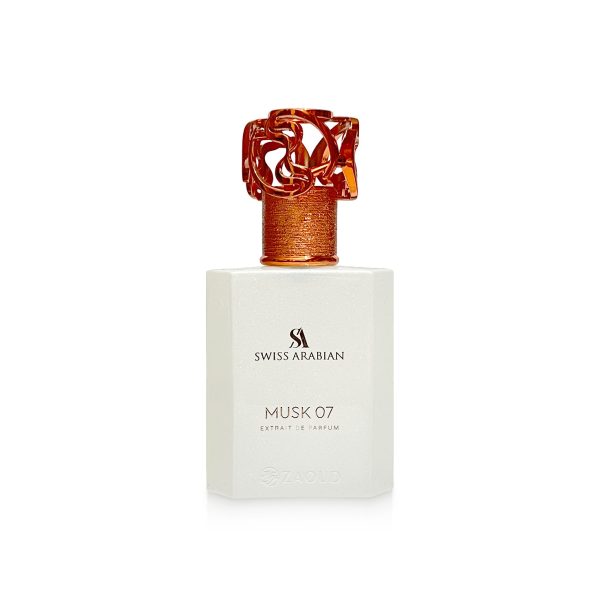
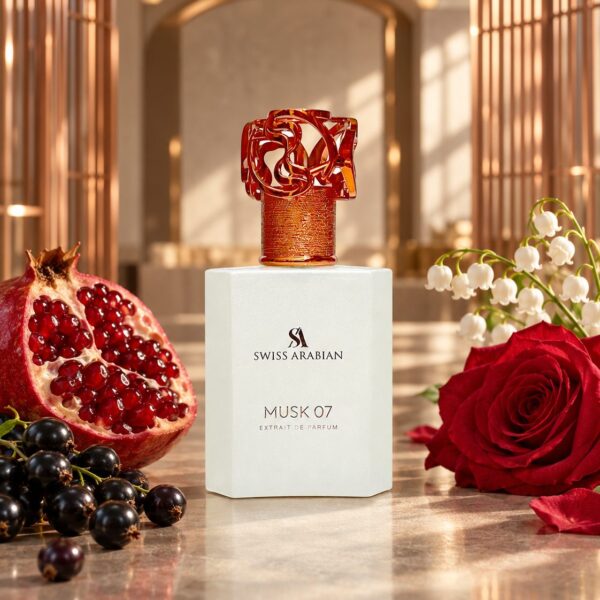
MUSK 07 Extrait de parfum
Price range: 4,00 € through 79,00 € -
SWISS ARABIAN
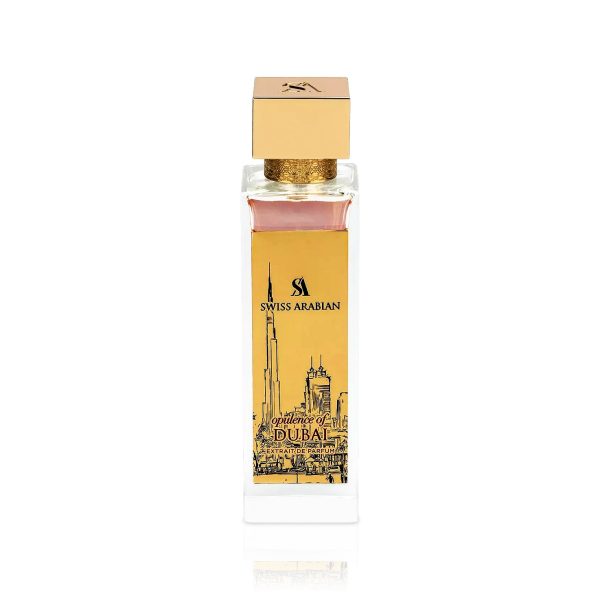

OPULENCE OF DUBAI Extrait de parfum
Price range: 3,50 € through 85,00 €