

Explore our fragrances and add your favourites here.
Continue shopping

RASASI
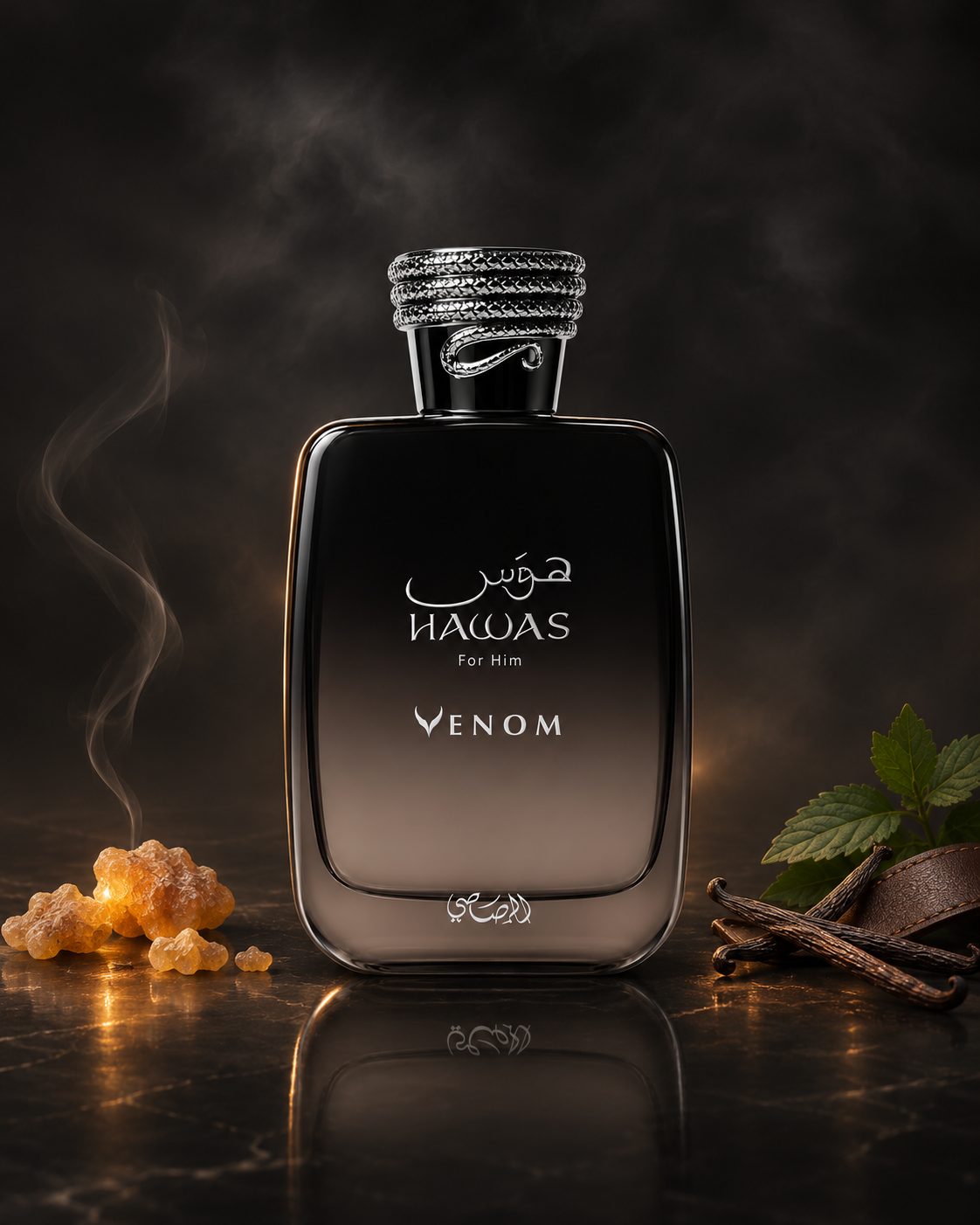
HAWAS VENOM Edp
MEN39,99 €
Tax included. Shipping calculated at checkout.
100% Authentic14-Day ReturnsSecure Payment
Main Accord
Description
- TOPIncense, Labdanum
- MIDDLELeather
- BASEIncense, Vanilla, Patchouli
Hawas Venom by Rasasi: Smoke, Leather and a Repeated Incense Note
Hawas Venom is a men’s eau de parfum from Rasasi, bottled at 100 ml. Within the Hawas family it is the dark sibling. The rest of the line leans on freshness, while this one leans on resin and smoke. It arrived in 2026.
Anyone reading the pyramid will notice incense appearing twice, once at the top and again in the base. That is intentional, and the reason says a good deal about how the perfume behaves on skin.
Hawas Venom Fragrance Notes
- Top Notes: Incense, Labdanum.
- Middle Notes: Leather.
- Base Notes: Incense, Vanilla, Patchouli.
Two independent retailers publish the same list, which is the best confirmation available. The brand’s own site carries no page for it, even though it does list its sibling Hawas Sapphire.
Smoke first, then leather on its own
Smoke opens and stays. Incense brings the dry, faintly peppery resin that many people link with church interiors, and labdanum adds a sticky sweetness that stops the start from feeling austere.
Leather is the only heart ingredient, which is unusual. It implies a deliberately narrow centre instead of a floral bouquet, and the result is a smoky leather spine that runs through the whole wear.
The drydown softens. Vanilla rounds the smoke and patchouli contributes an earthy edge, while incense returns in a heavier, more resinous guise than it showed at the start.
Smoke is the dominant accord, which is why the wear is best described as dry incense over leather, finished with warm vanilla and patchouli.
How one material fills two layers
Pyramids sort materials by how quickly they evaporate, so an ingredient usually belongs in a single row. Frankincense is the exception, and chemistry explains why.
Monoterpenes make up most of olibanum oil, the source of the incense note. Alpha-thujene alone can exceed half of it, while alpha-pinene, sabinene and limonene fill much of what is left. These small, quick molecules supply the bright resinous lift, which is largely gone after a short stretch.
A small fraction of heavier sesquiterpenes and oxygenated compounds remains. That residue provides the balsamic depth, and people can still detect it on skin more than twelve hours later.
In other words, one material really does occupy both ends of the pyramid. Listing it twice is the accurate choice, since a single entry would say less.
Labdanum, and the amber that is not really amber
Labdanum deserves more attention than it gets. It underpins nearly every amber accord in perfumery, though sellers rarely say so.
It is a sticky resin harvested from rockrose shrubs. Cistus ladanifer grows across the western Mediterranean and Cistus creticus in the east. The old method is the memorable part: resin clung to goats that wandered through the bushes, and herders combed it out of their beards and hind legs. Cretan collectors eventually switched to a leather-thonged rake called a lambadistrion.
Amber in perfume is neither fossil resin nor a single ingredient. It is a blend, built mostly on labdanum with vanilla and a balsamic resin beside it. Hawas Venom lists labdanum and vanilla separately, so the amber accord is present, just under its component names.
Perfumers also value labdanum because it echoes ambergris, the whale product that modern perfumery replaced with laboratory materials. The rockrose stands in for the whale, and vanilla then finishes the job of turning it into amber.
Its place among the Hawas releases
The first Hawas was built on aquatic freshness, and most of the line that followed kept to that idea. Venom departs from it entirely. Smoke, leather and resin place it at the far opposite end, so buyers hoping for a darker take on the original will be caught out.
Three Hawas launches arrived in 2026: Venom, the fruity unisex Hawas Sapphire, and a sweet floral gourmand called Hawas Pink. Three releases heading in three directions mean the name alone tells you little. Read the notes.
Who it is for
This works for anyone who wants smoke without committing to oud. Incense and leather produce a dark, resinous profile that feels less medicinal, and more approachable, than a heavy oud composition.
Cold weather and evenings are its season. The vanilla base keeps it from feeling severe, so it handles dinner and nights out. Smoke this strong is ill-suited to a heated office or a summer afternoon.
Skip it if the original’s freshness is what drew you in. The two share a name and very little else.
More from RASASI
-
RASASI
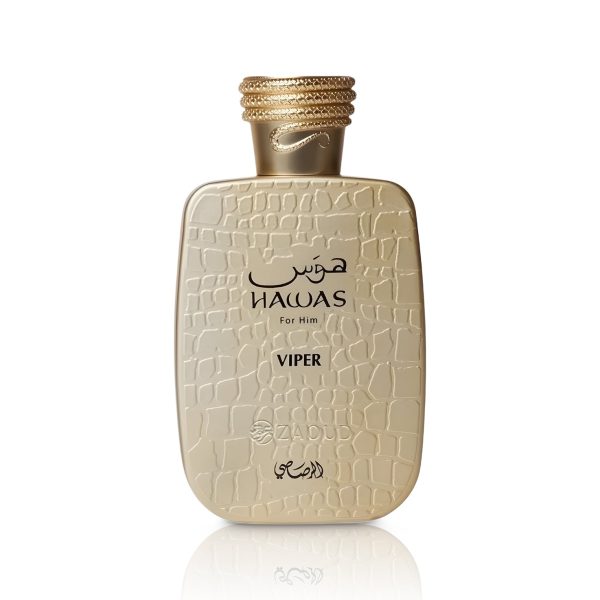

HAWAS VIPER Edp
Price range: 3,00 € through 36,99 € -
RASASI
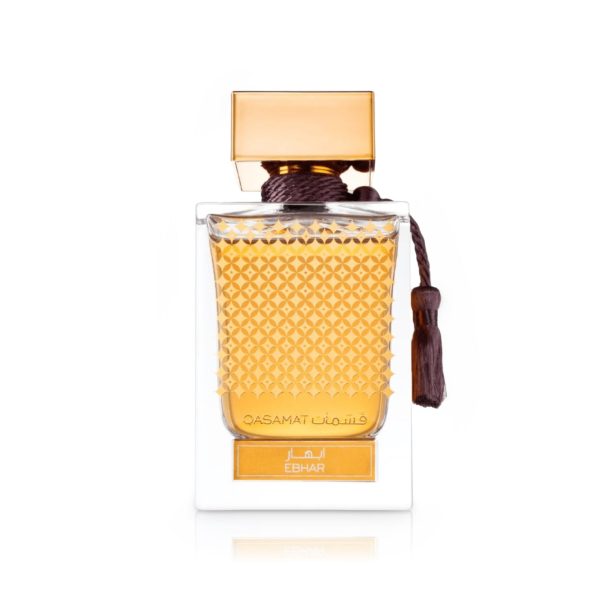

QASAMAT EBHAR Edp
Price range: 3,00 € through 39,99 € -
RASASISold out
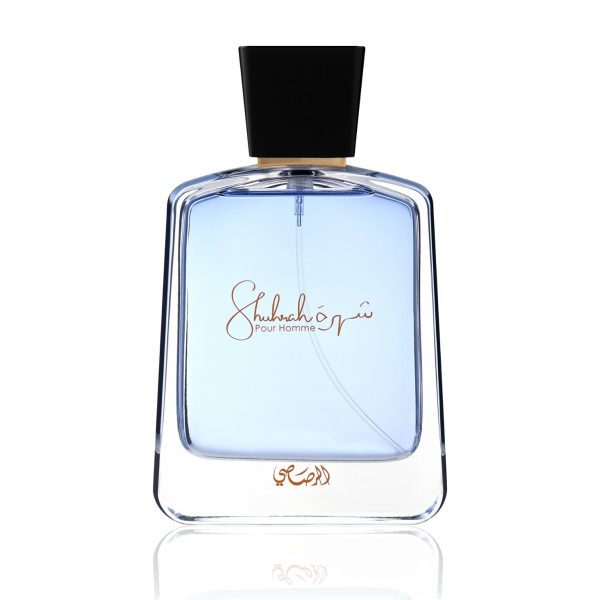
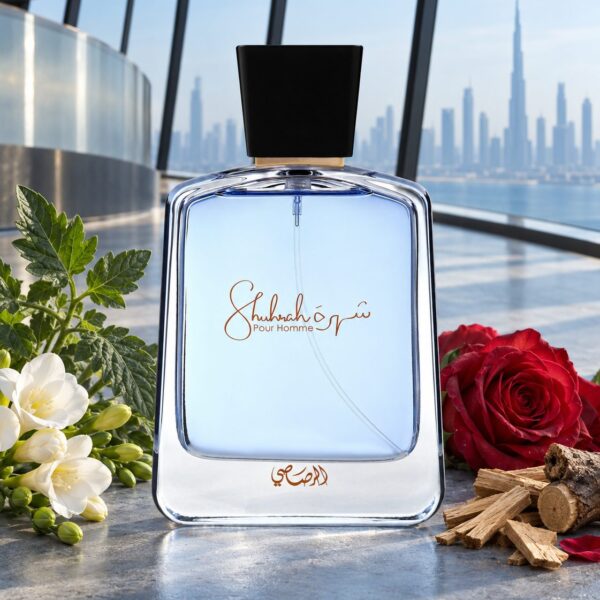
SHUHRAH POUR HOMME EDP
Price range: 3,00 € through 34,69 € -
RASASI
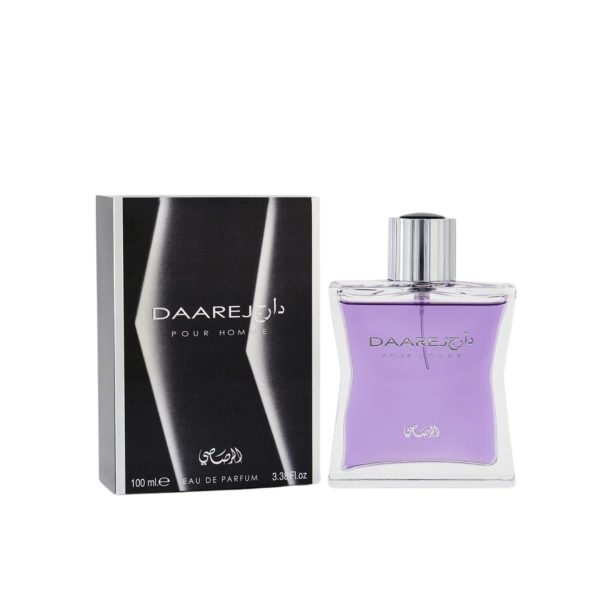
DAREEJ Pour Homme Edp
Price range: 3,00 € through 25,00 € -
RASASI
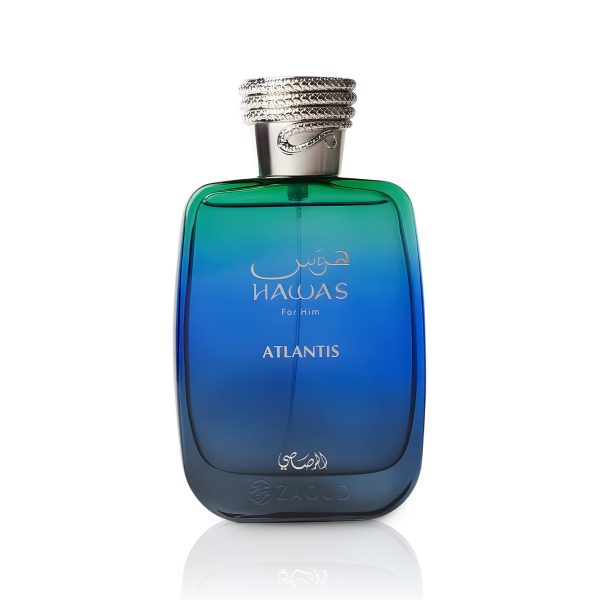
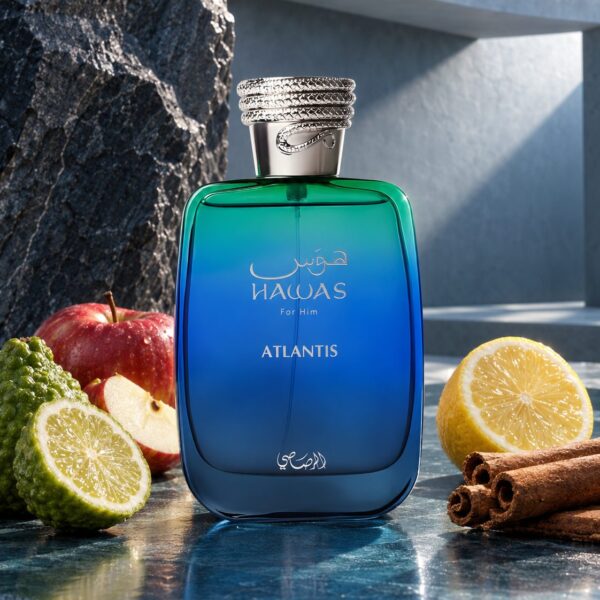
HAWAS ATLANTIS Edp
Price range: 3,00 € through 44,99 € -
RASASI
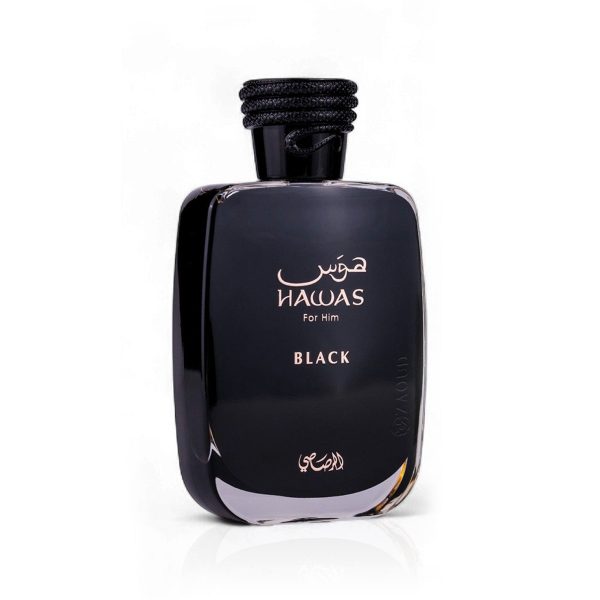
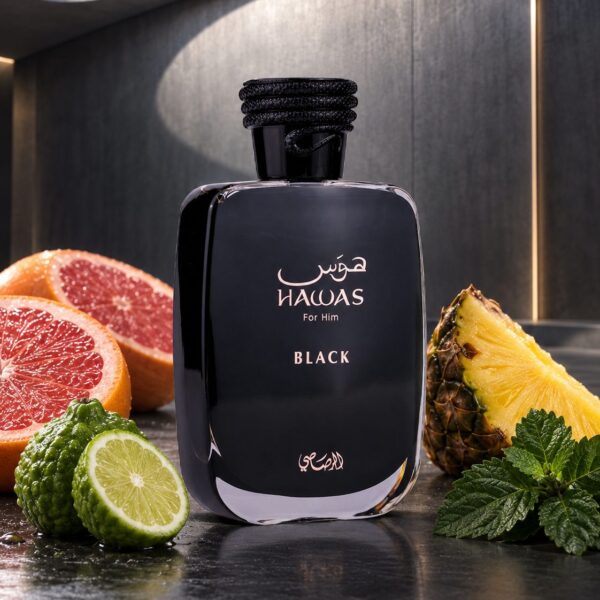
HAWAS BLACK For Him Edp
Price range: 3,00 € through 32,00 € -
RASASI
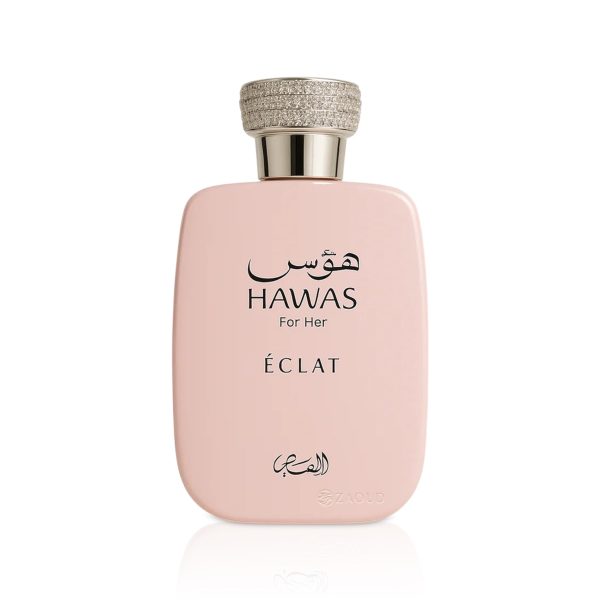

HAWAS ECLAT For Her Edp
Price range: 3,00 € through 45,00 € -
RASASI
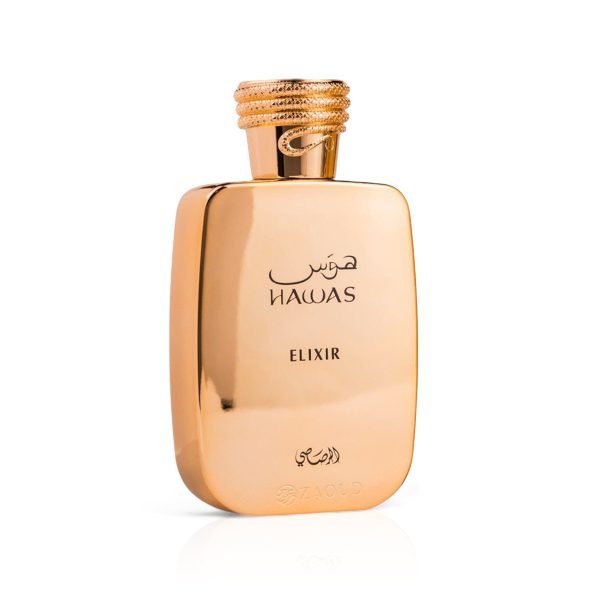

HAWAS ELIXIR Edp
Price range: 3,00 € through 45,00 €